
Loading…
A dumpster rental makes a home cleanout dramatically faster than repeated dump runs - but a little planning makes it even more efficient. Here are ten tips that help you get the most out of your rental period.
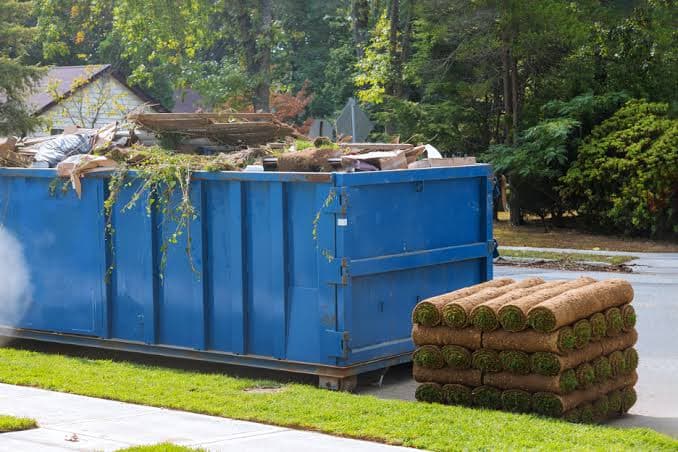
Tackling an entire home at once is where most cleanouts stall - it's hard to see progress, and it's easy to lose track of what's been sorted. Working room by room fixes both problems. Start with the room that has the least emotional weight - a garage or basement rather than a childhood bedroom - to build momentum before tackling harder decisions. Within each room, do a first pass for obvious trash and donations before making detailed decisions about anything borderline; clearing the easy majority fast makes the remaining items far less overwhelming. Closets and storage areas tend to take the longest relative to their size, since they concentrate small decluttering decisions - budget more time per square foot for these than for open rooms. Finishing one room completely before moving to the next, rather than skimming the surface of every room at once, is what actually produces visible progress day to day.
The most common slowdown isn't physical effort - it's decision fatigue from handling every item as a unique case. Setting simple rules ahead of time - anything unused in the last two years goes, anything broken goes, anything duplicate goes - cuts down on stopping to deliberate over each object individually. Another frequent mistake is starting without any sorting system, which turns a single cleanout into two projects: one to declutter, and a second later to actually get rid of what's been decluttered. Underestimating how much heavier boxes and furniture are than they look is a close third - recruiting help for heavy items up front avoids both injury and the stalled momentum of waiting until you're tired to ask for it. Finally, starting a cleanout without a dumpster or removal plan already arranged means the natural momentum of a productive day gets lost while you scramble to figure out where everything actually goes.
Timing affects how a cleanout goes as much as planning does. Spring cleanouts tend to compete with the season's overall demand for dumpster rental and junk removal, so booking a few days ahead rather than expecting next-day delivery avoids scheduling friction. Summer cleanouts in hot climates benefit from starting early in the day, both for comfort and because heavy lifting in peak heat raises injury risk. Fall cleanouts are a natural fit for yard waste alongside a home cleanout, worth combining into one dumpster load rather than running separate projects. Winter cleanouts, while less common, often have the easiest scheduling since demand drops - a practical option if your timeline is flexible and you'd rather avoid peak-season wait times.
A cleanout goes faster when the right supplies are already staged before you start, rather than making trips to the store mid-project. Sturdy contractor bags handle most household trash better than kitchen-size bags, which tend to tear under the weight of a real cleanout. Boxes - even just asking a local store for used ones - make donation and keep piles much easier to transport than loose stacks. Work gloves protect against sharp edges on broken furniture or old fixtures, and a basic hand truck or dolly turns heavy single-person moves into manageable ones. Painter's tape and a marker for labeling donation boxes by destination - thrift store, family member, sell - saves a second sorting pass later. None of this is required to fill a dumpster, but having it staged ahead of time removes the small friction points that otherwise interrupt momentum mid-cleanout.
Not every item fits neatly into 'keep' or 'dumpster' during a fast-moving cleanout, and forcing a decision on everything in the moment can slow things down more than it helps. A simple third category - a 'maybe' box or bin set aside during the cleanout - lets you keep moving without stalling on sentimental or uncertain items. Revisit the maybe pile once the rest of the cleanout is done and the room feels clearer; it's often much easier to make a final call once the surrounding clutter is already gone. For anything genuinely valuable but unwanted - furniture in good condition, working electronics, tools - a donation pickup or local marketplace listing scheduled for the same week keeps those items out of the dumpster and out of the house without requiring you to store them indefinitely while you decide.
Coordinating donation pickups and recycling drop-offs around your dumpster window, rather than as an afterthought, keeps a cleanout moving instead of leaving a separate pile sitting in the garage for weeks. Many donation charities offer scheduled home pickups, but slots can book out several days in a busy season, so it's worth reserving one as soon as your cleanout date is set rather than waiting until the sorting is finished. Recycling drop-offs for larger items like electronics or scrap metal are usually more flexible on timing, but confirming their accepted items and hours ahead of time avoids a wasted trip with a full car and nowhere to unload it.
How many people does a typical home cleanout need? A single room can usually be handled solo; a whole-home cleanout goes noticeably faster with at least two people, both for pace and for safely moving furniture. Should I rent a dumpster or use junk removal for a cleanout? If you're comfortable loading over several days at your own pace, dumpster rental is usually more economical; if you want everything gone in a single visit without lifting anything, junk removal is the better fit. How far in advance should I schedule dumpster delivery for a cleanout? A few days to a week ahead is typically enough outside of peak season, giving you time to prep the placement area and line up any help you need for heavy items.
More than any single tip, the biggest efficiency gain comes from starting with the right size dumpster. Running out of room mid-project and needing a second delivery is the single most common cause of cleanout delays - see our sizing guide if you're not sure what you need.
Occasional guides on dumpster sizing, pricing, and project planning. No spam.
Get matched with trusted local dumpster rental providers in minutes - free and with no obligation.