
Loading…
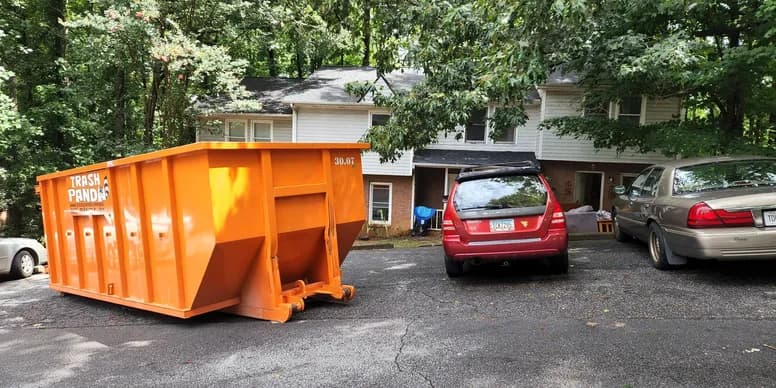
Asphalt from driveway or parking lot removal is accepted by most providers, but like concrete, it's dense and heavy enough that a dedicated heavy-debris dumpster is often the better fit.
Get a Free Quote
No obligation - just tell us about your project.
Yes - this material is generally accepted.
Weight limits apply strictly - a full load of asphalt can exceed a standard dumpster's limit well before it looks full. Often billed by weight rather than volume.
Asphalt from a driveway or parking lot tear-out is one of the denser materials a homeowner or contractor is likely to load into a dumpster, and it's worth understanding how its disposal - and recycling - actually works before a tear-out day arrives with a truck already on-site.
Reclaimed asphalt pavement, often shortened to RAP in the industry, is among the most recycled materials in construction and demolition. Old asphalt is routinely reground and blended back into new paving mixes, meaning a clean asphalt load is very likely headed to a recycling facility rather than a landfill - a diversion rate that's notably higher than for many other demolition materials, which is worth knowing if minimizing landfill impact matters to you.
Like concrete, asphalt's density means it hits a dumpster's tonnage limit well before the bin looks full - a driveway tear-out that looks like a modest pile can weigh several tons once loaded. Providers commonly price or restrict asphalt by weight specifically, rather than applying the flat, size-based rate used for lighter household debris, because the actual constraint is what a truck can safely haul, not how much physical space the material takes up.
The cost of an asphalt tear-out is driven mainly by tonnage removed, and by whether a recycling facility's tipping fee, often lower than a landfill's, applies to your load. Mixing asphalt with base gravel, dirt, or other demolition debris usually bumps the entire load into a more expensive mixed-rate tier, so keeping a tear-out load asphalt-only when possible is one of the more effective ways to control the price.
Asphalt and concrete share nearly identical handling rules on-site - both need weight limits respected, and both often call for a dedicated heavy-debris dumpster. The difference shows up after pickup: asphalt is typically reprocessed into new pavement, while concrete is crushed into aggregate for other uses. Because they're recycled through separate channels, mixing the two in one load usually means both end up landfill-bound instead of recycled, so if your project touches both a driveway and a concrete slab, ask your provider whether they need to be loaded separately.
Time the dumpster delivery to arrive right before the tear-out crew starts rather than sitting empty and racking up rental days on what's usually a fast job. Break large chunks down to a size two people can lift comfortably rather than dragging oversized slabs across the yard. And if your driveway tear-out is large, ask your provider about a dedicated asphalt-only dumpster or a planned swap rather than overloading one bin past its practical weight limit and needing an unplanned second delivery anyway.
Asphalt softens in high heat, which can actually make it easier to break up but also messier to load cleanly, while cold weather makes it brittle and more prone to shattering into smaller pieces during removal. If you have flexibility on timing, scheduling a tear-out for a moderate-temperature day tends to make the job faster and the debris easier to handle. It's a minor factor compared to weight and volume, but worth keeping in mind when you're also coordinating a dumpster delivery window around a contractor's schedule.
A residential driveway tear-out is a relatively contained job that a standard dedicated asphalt dumpster can usually handle in one or two loads. A commercial parking lot resurfacing generates dramatically more material - often measured in dozens of tons rather than a few - and is typically handled through a paving contractor's own equipment and hauling arrangement rather than a homeowner-style dumpster rental. If you're unsure which category your project falls into, share the approximate square footage with your provider so they can point you toward the right service rather than undersizing a commercial-scale job.
Some homeowners and contractors choose to keep a portion of milled or broken asphalt on-site rather than disposing of all of it - crushed asphalt millings make a reasonably durable base material for a gravel driveway extension or a utility path. If that's part of your plan, let your provider know upfront how much you intend to keep, since it changes how much actually needs to be hauled away and can lower your disposal cost accordingly rather than paying to remove material you were going to reuse anyway.
Get matched with trusted local dumpster rental providers in minutes - free and with no obligation.