Loading…
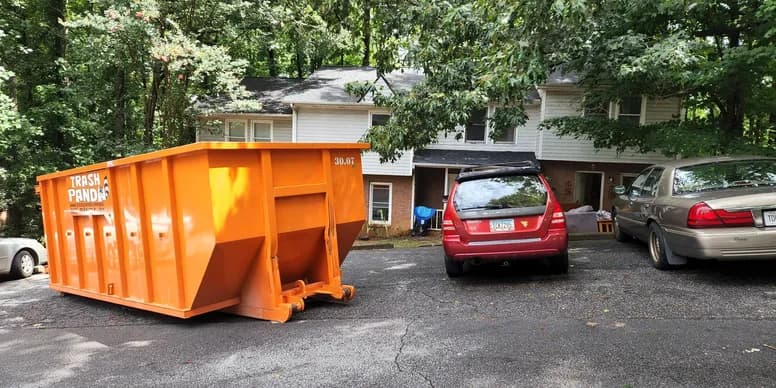
Check restrictions, safety tips, and recommended sizes for common materials before you book.
Most dumpster rental horror stories don't come from picking the wrong size - they come from an unexpected fee after the dumpster is already loaded, usually because a material wasn't what the provider was expecting. Knowing what's accepted, what's restricted, and what needs special handling before you start loading is one of the simplest ways to avoid a surprise on your final invoice.
As a general rule, everyday household and renovation debris - furniture, wood scraps, drywall, cardboard, yard waste, and general household junk - goes into a standard mixed-debris dumpster without any special handling. Dense materials like concrete, asphalt, brick, and dirt are usually accepted too, but they're handled differently because of their weight: providers often price them by tonnage or require a dedicated heavy-debris dumpster rather than a flat rate, since a standard-size container full of concrete can exceed safe hauling weight long before it looks full.
A smaller category of materials generally can't go in a dumpster at all - hazardous chemicals, certain batteries, liquids, and most tires fall outside what a standard roll-off or junk removal load is built to handle, usually due to landfill regulations rather than anything a provider chooses on their own. Browse the materials below for specifics on each, including which dumpster size makes sense and what it typically costs to dispose of.
A few materials sit in a gray area that's worth knowing about upfront. Large appliances like refrigerators and air conditioners are often accepted, but with an added fee, since they require special handling for refrigerants before disposal. Roofing shingles are accepted almost everywhere but are dense enough to change which dumpster size makes sense for a tear-off. And scrap metal is not only accepted by most providers - it's sometimes worth more separated out, since many facilities pay for clean metal rather than charging a disposal fee for it.
These categories typically need separate disposal rather than a standard dumpster or junk removal load.
Paint, solvents, motor oil, pesticides, and other chemicals require dedicated hazardous-waste disposal, not a standard dumpster.
Car and lithium-ion batteries, along with some electronics, need special recycling due to fire risk and hazardous components.
Standard dumpsters are built for solid debris - liquids, including wet paint, need to be dried out or disposed of separately first.
Most providers don't accept tires in a standard load due to landfill restrictions, though some offer separate tire disposal for a fee.
Get matched with trusted local dumpster rental providers in minutes - free and with no obligation.