
Loading…
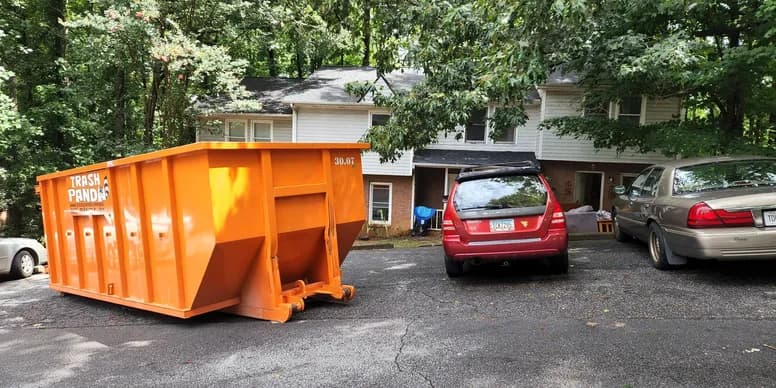
Brick, cinder block, and masonry debris are accepted similarly to concrete - heavy, dense material that fills weight limits quickly.
Get a Free Quote
No obligation - just tell us about your project.
Yes - this material is generally accepted.
Often subject to the same weight-limit rules as concrete; may require a dedicated heavy-debris dumpster.
Brick, cinder block, and other masonry debris share concrete's core disposal challenge: dense material that fills a dumpster's weight limit long before it fills the visible space. The rules around it are similar to concrete's, but brick has one meaningful advantage that concrete usually doesn't - real salvage value if it's removed carefully rather than broken apart.
Reclaimed brick has genuine market value, particularly if it's removed intact rather than broken into chunks - used brick gets resold for landscaping, hardscaping, and reclaimed-building-material projects. A teardown that carefully separates whole bricks from broken debris can actually offset some of the disposal cost rather than being a pure expense. Crushed or broken brick still gets recycled as aggregate, similarly to concrete, just typically at a lower value point than intact salvage.
Brick and block share concrete's central problem: extremely dense material that hits a truck's safe weight limit long before a dumpster looks full. Providers apply the same weight-focused rules to masonry debris as they do to concrete - lower included allowances, dedicated heavy-debris pricing - because the underlying transport-safety constraint is identical, regardless of which specific dense material is being hauled.
Masonry disposal is priced primarily by weight, and a full dumpster's worth of broken brick or block can weigh several tons even from a modest-looking teardown. Getting an accurate quote depends on estimating tonnage, often based on the dimensions of the wall or structure being demolished, rather than simply picking a dumpster size and hoping it's enough.
The main practical difference between brick and concrete disposal is salvage potential: brick more often has resale value if kept intact, while broken concrete's main path is aggregate recycling rather than direct reuse. If your project involves demolishing a brick structure, it's worth asking whether setting aside whole bricks separately is worth the extra sorting time - for a large enough teardown, it often is.
Distribute broken masonry evenly across the dumpster floor rather than letting it pile in one corner, which helps with both safe transport and avoiding an early weight-limit trigger in one area. Avoid dropping large pieces from height, both for safety and to keep more bricks intact for potential salvage. And confirm your provider's weight limit before a large teardown begins, since masonry projects are one of the fastest ways to hit a dumpster's tonnage cap.
A single standard brick weighs roughly four to five pounds, which adds up quickly across an entire wall or chimney - a modest chimney teardown alone can easily produce a ton or more of debris. Measuring the approximate square footage of the structure being removed and sharing that with your provider gives a far more reliable weight estimate than guessing based on how the pile looks once it's on the ground.
Real-world brick and block demo rarely comes out perfectly clean - mortar, sand base, and the occasional bit of rebar or wire mesh usually come along with it. A small amount of this mixed-in debris is normal and doesn't typically affect handling, but a load that's substantially mortar and sand rather than mostly brick and block can weigh more than expected and shift toward the same handling rules as dirt or concrete. Giving your provider a general sense of what's actually coming down, not just brick, helps set an accurate weight expectation.
Salvage yards and landscaping suppliers often pay for clean, intact reclaimed brick, particularly older or distinctive styles no longer manufactured, since it has aesthetic appeal for hardscaping and accent walls that new brick doesn't replicate exactly. If your teardown involves a genuinely old structure, it's worth a quick call to a local salvage buyer before demo begins to see whether careful removal is worth the extra time - for a large enough wall or chimney, the resale value can meaningfully offset your disposal costs.
Cinder block and clay brick are grouped together in this category, but they aren't identical - cinder block is typically lighter per unit and hollow-core, while solid clay brick is denser and heavier for the same footprint. A retaining wall or foundation built from block generally weighs less per square foot removed than the same-size structure built from solid brick, which is worth factoring in if you're trying to estimate tonnage for a mixed teardown involving both materials.
Get matched with trusted local dumpster rental providers in minutes - free and with no obligation.