Loading…
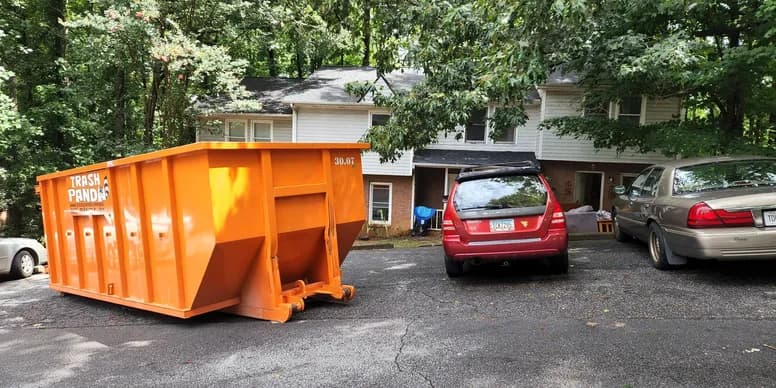
Mixed construction debris - framing scraps, siding, flooring, and general job-site waste - is a core use case for roll-off dumpsters.
Get a Free Quote
No obligation - just tell us about your project.
Yes - this material is generally accepted.
Hazardous materials (asbestos, certain solvents) require special disposal, not a standard dumpster.
Construction debris is a genuinely mixed category - framing scraps, siding, old flooring, and general job-site waste all landing in the same dumpster - which makes it the core use case for roll-off rental but also the category where pricing and recycling outcomes vary the most based on what's actually in the load.
Because construction debris is a mix of material types by definition, dedicated construction-and-demolition recycling facilities exist that mechanically sort mixed loads to pull out recyclable wood, metal, and cardboard. But the recovery rate from a mixed load is inherently lower than from a single-material clean load, like an all-metal or all-concrete dumpster. If a large portion of your project's debris happens to be one material, separating it into its own load usually diverts more from the landfill than tossing everything into one mixed dumpster.
Standard construction debris dumpsters exclude asbestos and certain solvents or chemicals because these require certified handling under environmental regulations, not standard landfill or C&D processing. This isn't a pricing restriction so much as a legal one. Older buildings, particularly anything pre-1980s, are the most common source of surprise asbestos-containing material, so renovation projects on older properties should have suspect materials checked by a professional before demolition begins, not after debris is already in the dumpster.
Mixed construction and demolition loads are priced more variably than single-material loads, because weight depends entirely on what's actually in the mix - a load heavy on drywall and roofing weighs far more than one dominated by wood framing. Providers commonly ask for a rough material breakdown when quoting a construction project specifically, because 'construction debris' as a label alone doesn't tell them much about expected tonnage.
Scrap metal pulled out of a general construction debris load, like wiring, fixtures, or ductwork, is often worth more kept separate, since metal has its own recycling value that gets lost once mixed into a general debris dumpster. On larger job sites, it's common to have a dedicated metal bin alongside the main construction debris dumpster for exactly this reason - it protects the metal's value and keeps the rest of the load simpler to process.
Keep sharp debris like nails, glass, or exposed screws away from the dumpster's edges to reduce injury risk during loading. Distribute weight evenly rather than letting it pile on one side as the project progresses. And if the site is generating a continuous stream of debris over days or weeks, periodically check the load against the weight allowance rather than waiting until pickup day to find out it's been exceeded.
On a multi-phase renovation - demo, framing, finish work - debris volume tends to come in waves rather than a steady trickle, with demo generating the bulk of it early. Coordinating delivery so the dumpster arrives right as demo starts, rather than sitting empty for the planning phase, and scheduling pickup or a swap once demo debris peaks rather than waiting for the whole project to finish, keeps both cost and site clutter under better control.
Interior demolition tends to produce a lighter mix - drywall, trim, cabinetry, flooring - while exterior demo work like siding removal, deck teardown, or structural framing changes brings in heavier, bulkier material more often. A project touching both generates a genuinely mixed load across the whole rental period, which is part of why construction debris pricing depends so much on the specific project rather than a flat rate: an interior-only remodel and an interior-plus-exterior renovation can generate very different tonnage even at similar square footage.
Larger renovations often involve several trades - a demo crew, a framer, an electrician, a drywall contractor - sharing the same dumpster over the course of a project. It helps to designate one point of contact, whether that's you or your general contractor, responsible for monitoring the load against the weight allowance, since debris from multiple crews can accumulate faster than any single trade would generate on its own, making it easy to lose track of how close the load is to its limit.
Get matched with trusted local dumpster rental providers in minutes - free and with no obligation.