Loading…
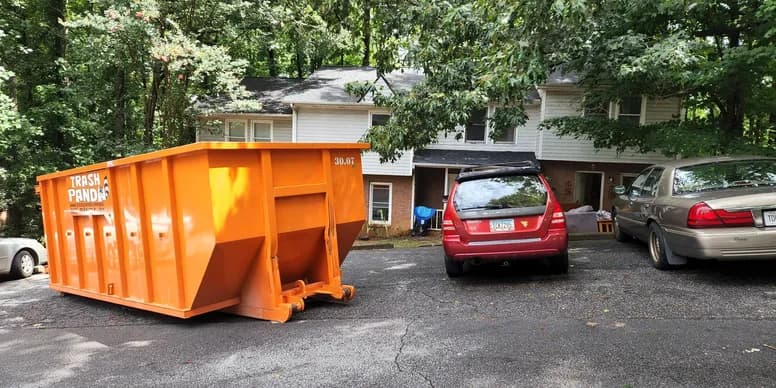
Clean dirt and soil are accepted by many providers, but due to weight, a dedicated 'dirt dumpster' with a lower fill line is often used instead of a standard bin.
Get a Free Quote
No obligation - just tell us about your project.
Yes - this material is generally accepted.
Weight limits are strict - dirt is very heavy relative to its volume. Rocks and roots should be minimal.
Dirt and soil are the heaviest common material by volume that a residential dumpster is likely to handle, heavy enough that the normal rules for sizing and pricing a dumpster mostly don't apply the same way they do for anything else on this list.
Dirt is so dense that a dumpster filled to a normal level with soil would exceed a truck's safe legal hauling weight long before it looks full. That's why providers commonly use a dedicated dirt dumpster with a lower marked fill line, sometimes just a third or half full, rather than the standard rim used for lighter materials. This isn't a cost-cutting restriction; it's a transport-safety limit built around how much a truck can legally and safely carry.
Clean fill dirt, meaning soil free of debris and contaminants, is frequently reused rather than landfilled. It's often taken to grading or fill projects elsewhere instead of a landfill cell, since usable clean dirt has genuine value to other job sites. Contaminated or debris-mixed soil loses that option and typically has to go to standard disposal instead, which is one more reason to keep a dirt load as clean as possible.
Dirt is almost always billed by weight rather than a flat size-based rate, because the gap between a dumpster's rated volume and the amount of dirt it can safely hold is so large. A 10 yard dumpster technically holds 10 cubic yards, but a dirt load might only safely fill a fraction of that before hitting the weight cap - which is why a dirt-specific quote usually looks quite different from a standard debris quote for the same size unit, and why comparing the two directly can be misleading.
Large roots, rocks, and general yard debris often get generated in the same landscaping or excavation project as excavated soil, but mixing them into one load pushes weight up fast and can disqualify the load from clean-dirt reuse pricing entirely. Keeping soil separated from yard waste protects both the lower yard-waste rate for organic debris and the reuse option for genuinely clean fill dirt.
Never load a dirt dumpster past the recommended fill line, even if there appears to be room left - the limit is about weight, not visible space. Keep soil as dry as reasonably possible, since moisture adds meaningful weight. And confirm with your provider before delivery whether your project needs a standard dumpster or a dedicated dirt unit, since requesting the wrong one is one of the more common and avoidable mistakes on an excavation job.
A pool excavation or a new foundation dig can generate dozens of cubic yards of soil, far more than a single dumpster load regardless of size, which is why larger excavation projects are usually handled with multiple dirt-dumpster swaps or dedicated hauling trucks rather than one delivery. Smaller projects, like leveling a section of yard or digging a trench for drainage, typically produce a much more modest amount that a single dirt-rated 10 yard can handle without issue.
The reuse value discussed above depends heavily on the soil actually being clean - free of construction debris, chemical contamination, or excessive organic matter. Soil excavated near an old structure, a former fuel tank, or a site with a known history of chemical use may need testing before disposal, since contaminated soil is regulated differently and can't simply go to a standard fill-reuse site. For most routine residential landscaping or grading work this isn't a concern, but it's worth flagging site history to your provider if there's any reason to suspect it.
Once a project's soil volume climbs into the dozens-of-cubic-yards range, dedicated dump trucks hauling directly from the site often become more practical than a series of dumpster swaps, since a truck can move a full load in one trip without waiting on a rental cycle. Smaller residential grading or landscaping jobs rarely reach that threshold, but if your excavation is tied to something like a full basement dig-out or a large pool installation, it's worth asking your provider whether truck-based hauling makes more sense than dumpster rental for the dirt portion specifically.
Beyond weight and volume, site access affects how dirt removal actually gets priced and scheduled - a backyard excavation with no direct driveway or gate access may require wheelbarrowing soil to the dumpster rather than a machine loading it directly, which can add meaningfully to labor time even if the total volume is modest. Flagging tight access when requesting a quote helps your provider plan realistic timing rather than assuming straightforward equipment access on delivery day.
Get matched with trusted local dumpster rental providers in minutes - free and with no obligation.