Loading…
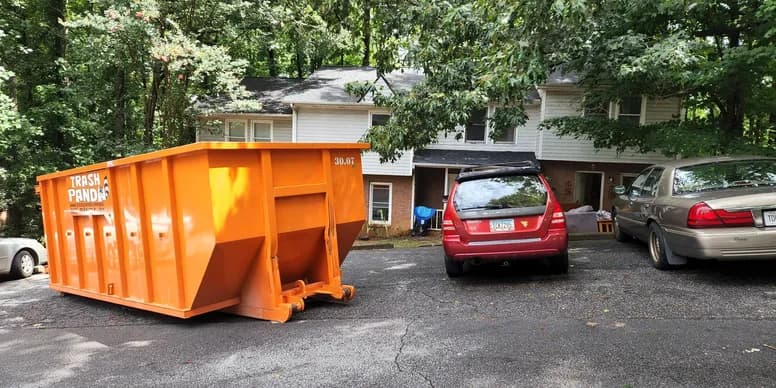
Asphalt shingles are commonly accepted and one of the most frequent materials in roofing tear-off projects.
Get a Free Quote
No obligation - just tell us about your project.
Yes - this material is generally accepted.
Weight limits matter - shingles are heavier than they look. Wood or slate shingles may have different handling requirements.
Roofing shingles are one of the most common single-material dumpster loads there is, generated almost entirely by tear-off projects rather than general cleanouts. They're also one of the most frequently underestimated materials on this list - not because they're restricted, but because their weight rarely matches what a homeowner expects looking at the pile on the ground.
A growing number of regions offer dedicated shingle recycling, reclaiming the asphalt content for use in pavement, similar to how reclaimed asphalt pavement works for driveways. That said, availability varies significantly by city and isn't as universal as household recycling programs. It's worth asking your provider directly whether shingle recycling is offered in your area, since it can affect both where your tear-off debris ends up and, in some cases, the price.
Standard three-tab or architectural shingles weigh substantially more per square (a roofing unit equal to 100 square feet) than most people estimate looking at a pile of torn-off material. A layered tear-off, removing two or three roofing layers at once, multiplies that weight rather than just adding to the pile's height. This is the main reason a shingle-only dumpster can hit its weight limit while still looking half-full - the constraint is tonnage, not the space the shingles physically occupy.
Roofing disposal cost is driven by the number of squares being torn off and the number of layers involved, not dumpster size alone. Contractors typically estimate weight per square to help homeowners avoid an overage fee before the job starts. Mixing shingles with wood decking, flashing, or underlayment debris adds to the total weight fast, so it's worth mentioning the full scope of the tear-off, not just square footage of shingles, when requesting a quote.
Asphalt shingles and wood roofing material, such as old shakes or decking, are handled quite differently despite coming from the same job. Wood debris is lighter and treated more like standard construction wood, while asphalt shingles need the weight-focused handling described above. If a tear-off involves both old wood decking and shingles, expect the load to be billed primarily around the heavier shingle component rather than an average of the two.
The most useful information you can give a provider isn't 'roofing job' - it's the roof's approximate square footage, the number of shingle layers being removed, and whether decking or flashing is coming off too. That combination determines whether a 15 yard or 20 yard dumpster is the right size, rather than defaulting to a generic size based on the category alone.
A few warning signs tend to predict a heavier-than-average roofing load: multiple visible layers of shingles from past re-roofs without a full tear-off, a steep roof pitch (which often means thicker underlayment and more fasteners), and any sign of water-damaged decking that will come out along with the shingles. Mentioning any of these to your provider upfront - rather than discovering them mid-project - is the easiest way to avoid an overage fee that a slightly larger dumpster would have avoided entirely.
Not every roof tear-off involves asphalt shingles. Metal roofing panels are lighter per square foot but bulkier to stack, and are usually worth separating out for scrap value rather than disposing of alongside general roofing debris. Tile roofing, by contrast, is significantly heavier than asphalt shingles per square and often needs its own weight-focused handling similar to concrete or brick. If your project involves anything other than standard asphalt shingles, flag the roofing material type specifically when requesting a quote, since the disposal approach - and the right dumpster size - can differ meaningfully from a typical shingle tear-off.
Most roofing contractors handle debris disposal as part of their overall quote, but it's worth confirming exactly how - some include dumpster rental in their price and coordinate delivery themselves, while others expect the homeowner to arrange it separately. If you're arranging the dumpster independently, share your contractor's estimated timeline so the delivery and pickup windows line up with the actual tear-off and re-roofing schedule rather than the dumpster sitting idle before or after the crew's work.
A roofing tear-off leaves behind more than just shingles - loose nails, staples, and small fastener debris scattered around the work area are a normal byproduct that most reputable roofing crews sweep and magnet-sweep for before finishing the job. It's still worth a final walk of your own around the property after the dumpster is picked up, particularly near driveways and walkways, since stray roofing nails are a common and avoidable cause of flat tires and foot injuries after the crew has left.
Get matched with trusted local dumpster rental providers in minutes - free and with no obligation.