
Loading…
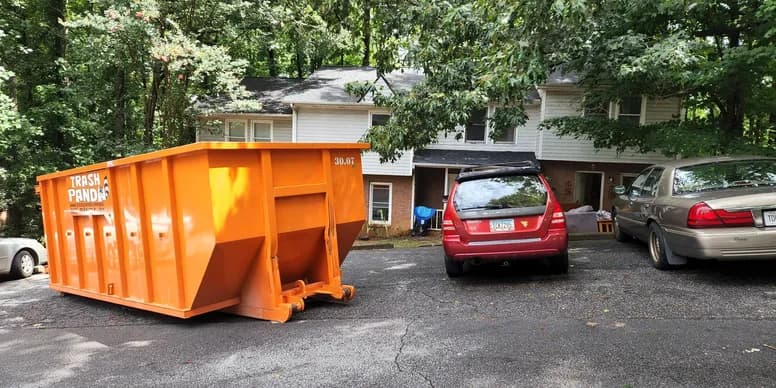
Clean, untreated wood, lumber scraps, and old furniture-grade wood are widely accepted across most dumpster rentals.
Get a Free Quote
No obligation - just tell us about your project.
Yes - this material is generally accepted.
Treated or painted wood may be restricted in some areas - check local rules.
Wood and lumber debris is one of the lightest, most widely accepted materials that goes into a dumpster, which makes it easy to overlook - but there are real distinctions between clean wood and treated wood that affect both what happens to it after pickup and, in some cases, whether it's accepted at all.
Clean, untreated lumber - framing scraps, furniture-grade wood, plain plywood - can often be chipped and recycled into mulch or biomass fuel in areas with wood recycling programs. Treated wood, meaning lumber that's been pressure-treated or chemically preserved, frequently can't be processed the same way because of its chemical content. Some regions restrict treated wood to landfill-only disposal, kept separate from clean wood, even though the two can look nearly identical once they're cut into scraps.
The chemicals used in pressure treatment, historically arsenic-based compounds and now more commonly copper-based ones, can leach out if the wood is chipped, mulched, or burned. That's why recycling facilities often reject treated wood outright even though it's visually similar to clean lumber - the restriction isn't about how hard it is to dispose of, it's about protecting the downstream processing that clean wood recycling depends on.
Wood is one of the lighter materials by volume on this list, so it's far less likely than concrete or shingles to trigger a weight-based overage fee. Instead, wood-heavy projects are more often size-limited than weight-limited: bulky items like cabinetry or furniture-grade lumber can fill a dumpster's visual capacity long before its weight allowance is a concern. That means sizing for volume, not tonnage, matters more with wood debris than with almost any other material here.
Wood and drywall are frequently generated by the same renovation project - a wall demo produces both framing scraps and sheetrock debris - but they're handled differently after disposal. Wood is lighter and more often recyclable; drywall is denser and more often restricted at the landfill level for reasons tied to its gypsum content. Mixing the two in one load is usually fine for weight purposes since neither is extremely dense, but keeping them separated preserves each material's eligibility for recycling if your area offers those programs.
Pull or hammer down protruding nails and screws where practical - it's both a safety issue and it keeps the load easier for a facility to process. Break down large pieces like cabinetry or furniture frames rather than loading them whole, since intact pieces waste volume that could otherwise hold more debris. If your project generates both treated and untreated wood, sort them as you go rather than trying to separate them after the fact.
On a multi-day demo or remodel, it's much easier to keep clean and treated wood separated in real time than to sort a mixed pile at the end. Designating one side of the work area for untreated framing scraps and another for anything painted, stained, or pressure-treated takes little extra effort during the project but preserves the option to recycle the clean portion later, especially if you're not yet sure whether your local provider offers wood recycling.
Deck and fence teardowns are one of the most common sources of pressure-treated wood in a residential project, since both are almost always built from treated lumber to withstand outdoor weather. That means a deck or fence removal project should generally be planned around standard landfill disposal for the wood portion rather than assuming it will be recycled, even though the same project might also generate untreated wood from railings, stairs, or trim that were replaced with different material. Sorting the two as the teardown happens, rather than after, keeps the untreated portion recycling-eligible.
Modern composite decking, engineered lumber, and particleboard-based furniture are technically wood-based but behave differently from solid lumber in disposal terms - composite materials blend wood fiber with plastic and typically aren't accepted by wood recycling programs at all, even though they're generally fine for standard dumpster disposal. If your project involves composite decking or engineered wood products, it's worth treating that portion as general construction debris rather than assuming it qualifies for the same recycling path as clean solid lumber.
Get matched with trusted local dumpster rental providers in minutes - free and with no obligation.