Loading…
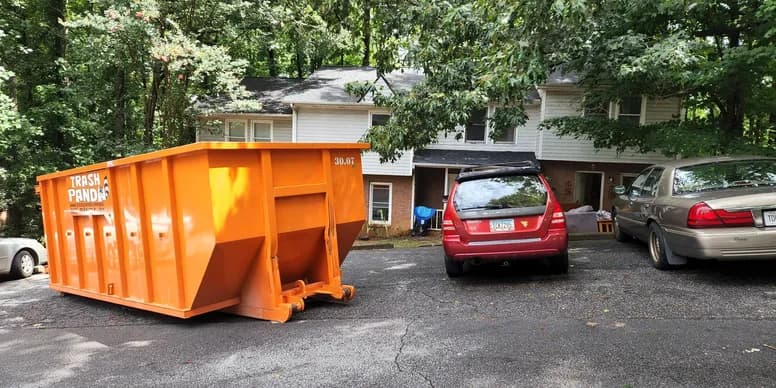
Branches, leaves, grass clippings, and landscaping debris are accepted, though some providers offer dedicated yard-waste-only pricing.
Get a Free Quote
No obligation - just tell us about your project.
Yes - this material is generally accepted.
Large tree stumps or excessive dirt/soil mixed in may require a separate arrangement.
Yard waste covers branches, leaves, grass clippings, and general landscaping debris, and it's one of the most consistently accepted materials on this list - and also one of the few where disposal genuinely diverges from a typical landfill path, since a lot of yard waste ends up composted rather than buried.
Many municipalities operate dedicated green-waste or composting programs, meaning yard waste that reaches the right facility gets turned into mulch or soil amendment rather than sent to a standard landfill. This diversion is more common and more straightforward for yard waste than for most other dumpster materials, since organic debris doesn't require the same processing infrastructure that recycling metal or concrete does - it just needs to arrive at a composting facility instead of a landfill.
Yard debris weight varies enormously based on moisture content. A load of wet leaves or freshly cut, sap-heavy branches can weigh dramatically more than the same volume once it's dried out. That's why some providers offer yard-waste-specific pricing tied closely to weight, and it's also why keeping debris dry when possible, piling it under cover before pickup, avoiding loading right after rain, can meaningfully reduce your total cost.
Because yard waste is organic and often diverted differently than general household debris, many providers offer yard-waste-only pricing that's cheaper than a standard mixed-debris rate. That discounted pricing usually depends on the load being genuinely yard waste alone, not mixed with fencing, plastic edging, or construction debris from the same landscaping project - contamination with non-organic material can bump the whole load back to the standard rate.
Yard waste and dirt often come from the same landscaping project but are handled completely differently once they hit the dumpster. Yard waste is light per unit of volume and frequently compostable; dirt is extremely heavy per unit of volume and rarely accepted in bulk without its own dedicated dumpster. Mixing a significant amount of soil into a yard-waste load can push the weight far past what a standard yard-waste rate assumes, so it's worth keeping the two separated if your landscaping project generates both.
Cut larger branches down to shorter, more manageable lengths both for loading ease and to use space more efficiently. Pull out non-organic debris like plastic edging, garden stakes, or landscape fabric before it goes in, since that contamination is the most common reason a yard-waste load gets reclassified at pickup. If your project also involves excavating soil or removing a stump, ask your provider upfront whether that needs a separate dumpster rather than assuming it fits under yard-waste pricing.
Demand for yard-waste dumpsters tends to spike in spring cleanup season and again after fall leaf drop, which can mean slightly longer lead times for delivery during those windows. If your landscaping project has any flexibility in timing, booking a couple of weeks ahead of peak season - or scheduling for a quieter stretch like mid-summer - can make it easier to lock in your preferred delivery date.
Storm cleanup - downed limbs, uprooted shrubs, wind-scattered branches - is generally accepted under the same yard-waste category as routine landscaping debris, but volume after a significant storm can be dramatically higher than a typical cleanup, sometimes requiring a larger size or multiple swaps rather than a single standard load. If you're dealing with storm damage, it's worth mentioning the cause when requesting a quote, since providers in storm-affected areas often have a sense of typical debris volume for a property your size and can size accordingly.
When a tree service removes a large tree, most companies either haul the wood and brush away themselves as part of their service or leave it on-site for the homeowner to arrange separate disposal - it's worth clarifying which before the work begins. If disposal is on you, a large mature tree generates significantly more debris than routine trimming, often enough branch and limb material to fill a 10 or 15 yard dumpster on its own, separate from the trunk sections, which some providers handle differently due to their size and density.
Get matched with trusted local dumpster rental providers in minutes - free and with no obligation.