
Loading…
Dumpster rental pricing isn't one-size-fits-all - it depends on a handful of factors beyond just the size you choose. Understanding what drives the price helps you get an accurate quote and avoid surprise charges later.
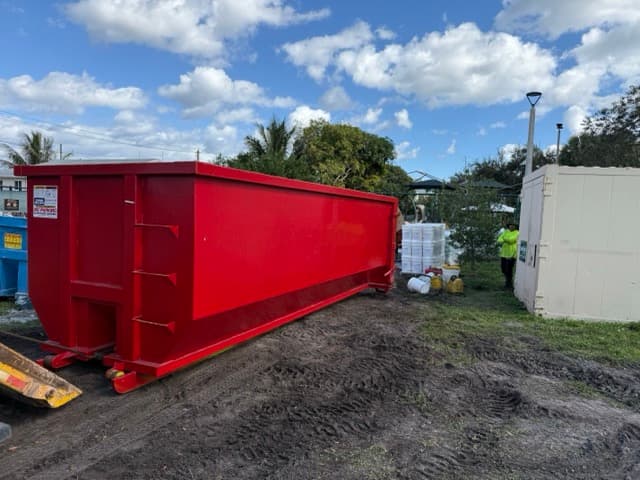
The most common surprise cost is an overage fee - either from overfilling the dumpster above the fill line, or from exceeding the weight limit for your material type. Both are avoidable: get a size recommendation based on your actual project (not a guess), and ask about weight limits up front if you're disposing of anything dense like concrete, brick, or shingles.
A dumpster rental quote is really several line items bundled into one price, even when it's presented as a flat rate. The base rental fee typically covers the bin itself, delivery, and pickup within a standard rental window. Disposal or tipping fees - what the provider pays the landfill or transfer station per ton - are usually included up to a set weight allowance, with anything beyond that billed as an overage. Trip or fuel charges can apply for deliveries outside a provider's core service area, which is one reason pricing can vary even between two addresses in the same metro. Extended rental fees kick in if you keep the dumpster past the included window, typically billed per additional day. Permit fees, when required for street placement, are either passed through directly or bundled into the quote depending on the provider. Seeing pricing broken down this way makes it easier to understand why two quotes for the 'same' size dumpster can differ - they're rarely measuring the exact same bundle of included services.
A small residential cleanout - a single garage or a 10 yard load of general household junk - sits at the low end of the range mostly because it's light. Even if the dumpster looks reasonably full, the weight is well under most included allowances, so the price is largely just the base rental. A mid-size remodel - a kitchen or bathroom gut using a 15 or 20 yard dumpster - costs more not just because the bin is bigger, but because remodel debris like drywall, tile, and old cabinetry is denser than household junk, pushing closer to or past the weight allowance. A large construction or whole-home renovation project using a 30 or 40 yard dumpster sits at the top of the range for both reasons at once: more volume and denser material, often requiring multiple pickups if the project runs long. Knowing which scenario your project resembles - light and bulky versus heavy and dense - is often a better predictor of price than yard size alone.
Pricing for the same size dumpster can differ noticeably by region, mostly because disposal fees are set locally by landfills and transfer stations, not nationally. Areas with fewer disposal facilities or longer hauling distances tend to run higher. Seasonality plays a role too - spring and early summer are peak season for renovations and cleanouts in most markets, and demand can push both price and availability, especially for popular sizes like 20 yard dumpsters. Booking a week or two ahead during peak months, rather than expecting next-day availability, is usually enough to avoid paying a premium for last-minute scheduling. Off-season rentals, by contrast, sometimes come with more flexible pricing simply because providers have more open capacity.
It's tempting to search for a single 'average dumpster rental price' and treat it as a benchmark, but national averages blend markets with very different disposal costs, permit requirements, and provider density into one misleading number. A metro area with several nearby landfills and heavy competition among providers often prices noticeably below an average pulled from rural areas with a single distant disposal facility. Rather than anchoring on a number you found online, a quote built around your actual ZIP code, project type, and material reflects the real local factors that determine your price - which is also why the same size dumpster can legitimately cost different amounts in two cities that otherwise look similar.
Two dumpster rental quotes that look far apart in price aren't always comparing the same thing. Before deciding based on the bottom-line number alone, check that both quotes cover the same rental window - a quote for a 5-day rental will naturally look cheaper than one for 10 days, even at the same size. Confirm both include delivery and pickup rather than one quoting those separately. Check the weight allowance included in each - a lower headline price paired with a smaller weight allowance can end up costing more once overage fees are added for a heavy load. And ask whether either quote assumes you'll need a permit, since a quote that excludes a required permit fee will look artificially lower than one that includes it. Lining quotes up side by side on these specifics, rather than just the total, is the only reliable way to tell which is actually the better deal for your project.
Most dumpster rental providers collect payment either at booking or at delivery, rather than after pickup, since the rental itself - not the eventual disposal weight - is usually the fixed, known cost up front. Overage or extension fees, when they apply, are typically billed afterward once the actual weight or duration is known. Some providers require a card on file specifically to cover potential overage charges rather than collecting a deposit, which is worth asking about if you'd rather know the full potential cost range before your dumpster arrives. Commercial accounts with recurring service sometimes move to monthly invoicing rather than per-rental payment, an option rarely offered - or needed - for a single residential project.
Is a longer rental period always more expensive? Not necessarily - many providers price a standard window, commonly 7 to 10 days, as a flat rate, so renting for 5 days versus 10 often costs the same as long as you stay within it. Do I pay for the dumpster if my project finishes early? Most providers don't prorate refunds for early pickup, so it's worth timing your booking close to your actual start date rather than requesting delivery well before you're ready. Is it cheaper to rent a smaller dumpster and do two loads? Almost never - a second delivery and pickup cycle usually costs more than the price difference between two adjacent sizes, so sizing up front is typically the more economical choice.
Because pricing depends on local factors, the most accurate way to get a number is a quote based on your specific project, ZIP code, and material type - which is exactly what our quote form is built for.
Occasional guides on dumpster sizing, pricing, and project planning. No spam.
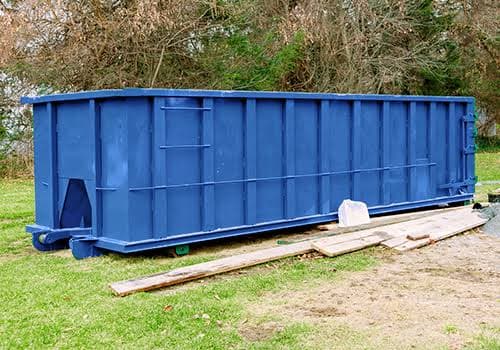
Most household and construction debris is fair game - but a handful of materials need special handling. Here's what to know before you load.
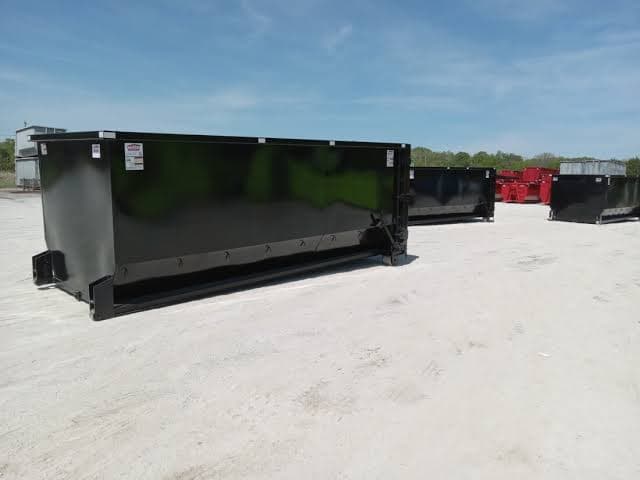
The core service is the same, but residential and commercial dumpster rental differ in scheduling, sizing, and site logistics.
Get matched with trusted local dumpster rental providers in minutes - free and with no obligation.